Knit and Calm: Why Knitting Is Meditation Your Hands Can Do
In an era when every relaxation method comes with an app subscription, knitting sits quietly in the corner with 500 years of user testing and a growing research file: the rhythmic, bilateral, repetitive motion of needles reliably downshifts the nervous system — meditation for people whose minds refuse to sit still, with a scarf at the end. The craft’s comeback among younger women is not nostalgia; it is the discovery that hands busy with yarn cannot doom-scroll. Here is the wellness case and the true-beginner on-ramp.
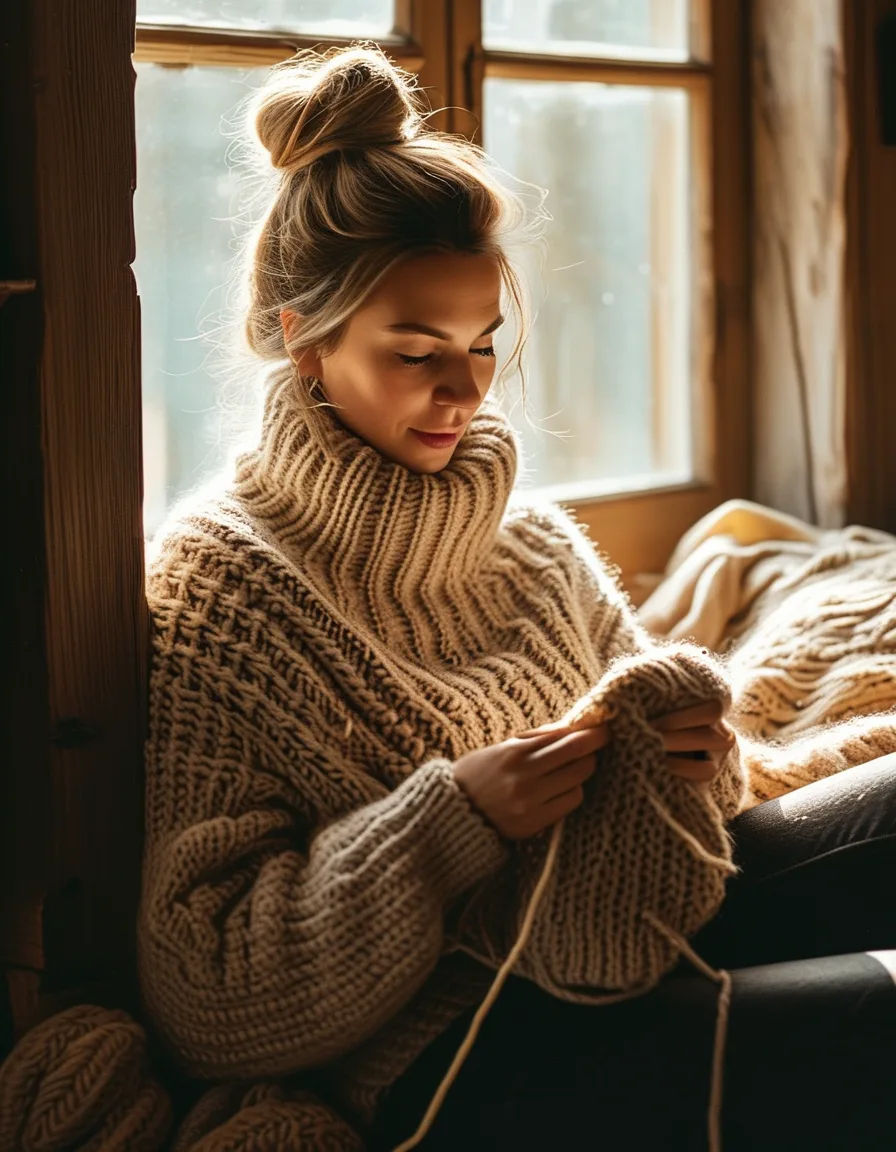
The Science of the Stitch (Why It Calms)
The research file is genuinely charming: surveys and studies of knitters link frequent knitting with lower reported stress and anxiety, improved mood, and — in the famous large-scale knitting survey — a dose-response pattern (more knitting, more calm); the proposed mechanisms stack neatly: rhythmic repetitive motion (the same bilateral, patterned quality that makes walking and drumming soothing — occupied motor circuits quiet the rumination channels), flow-state accessibility (knitting sits at the learnable edge of challenge-and-skill where absorption lives — hours vanish, which is the diagnostic sign), tactile grounding (soft yarn through fingers is sensory regulation adults rarely permit themselves), and visible progress (rows accumulate — the anti-digital satisfaction of watching effort become object). It is not a cure for anything. It is a reliably effective nervous-system tool that happens to produce mittens — a trade meditation apps cannot match.
The Anti-Scroll Argument (Hands as the Battleground)
The modern case that converts skeptics: evening screen habits persist because idle hands default to phones — and knitting wins the battleground by physical occupation: you cannot scroll while purling (the replacement-behavior logic that beats willpower — the phone loses to busy hands, not to resolutions), TV pairs with knitting perfectly (the guilt of passive watching dissolves when a sleeve emerges from it — knitters call it productive rest, and the reframe is psychologically real), waiting rooms, commutes-as-passenger and kids’ practices convert from phone-time to project-time, and the bedtime wind-down improves measurably when the last pre-sleep hour holds yarn instead of feeds (the dim-light, low-stakes repetition is nearly purpose-built for the descent into sleepiness). The craft’s honest pitch to the overstimulated: it is not another thing to do. It is a better thing for the hands to do during time already being spent.
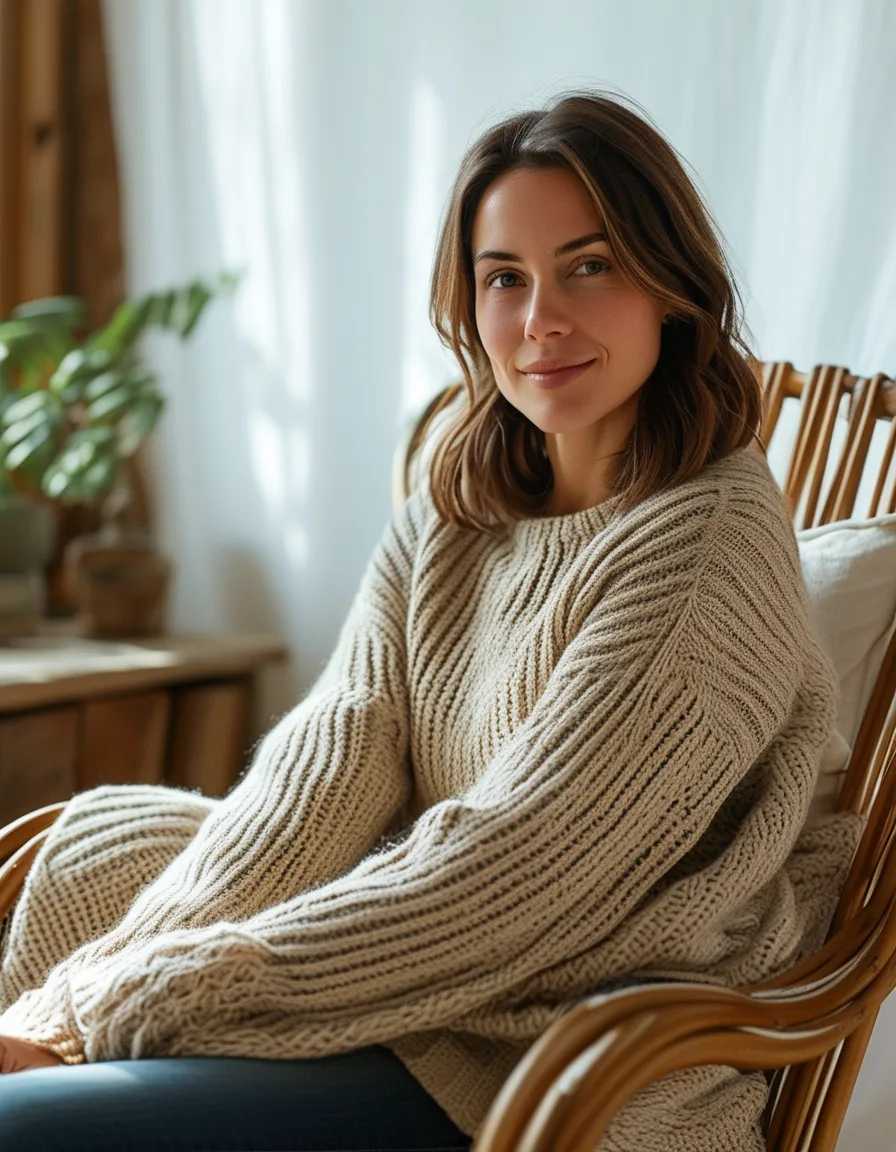
The True-Beginner Kit (Under $25, No Yarn Store Anxiety)
The starter specification, chosen to prevent the classic quit-points: medium-weight yarn in a light color (worsted weight, labeled 4 — thick enough to see your stitches, light enough to spot mistakes; dark yarn is the beginner’s invisible-error generator), one pair of medium needles (US size 8, bamboo or wood — grippier than metal, stitches stay put), and one project ambition: a garter-stitch scarf or dishcloth (knit stitch only, every row — the training ground of every knitter who ever lived). Skip for now: circular needles, patterns with abbreviations, anything labeled easy that involves counting, and the gorgeous expensive yarn (the first project eats mistakes; feed it cheap acrylic). Learning channel: video beats diagrams for hand-craft (the casting-on and knit-stitch videos with millions of views earned them — pause, rewind, re-watch is the method), and local yarn shops run beginner hours that bundle instruction with the community layer covered below. Total investment: a pizza’s worth of money and two honest evenings of clumsy.
Surviving the Clumsy Phase (Everyone Has One)
The expectation-setting that prevents abandonment: the first evening is comedy (tension chaos, dropped stitches, a fabric that trapezoid-shapes mysteriously — universal, temporary, and secretly the learning happening), the hands learn in days what the mind cannot rush (knitting is motor learning — the awkwardness resolves through repetition, not comprehension; by hour five the stitches regularize on their own schedule), mistakes are curriculum not failure (the dropped stitch and the accidental extra stitch are the craft’s first two lessons in every knitter’s history — learning the fixes is learning the craft), and the first finished object matters beyond reason (the lumpy first scarf is a trophy with documented sentimental half-life measured in decades — finish it, wear it, let it be lumpy). The calm arrives on schedule too: most new knitters report the meditative shift kicking in once stitches automate — around the second or third project, when hands run the pattern and the mind finally gets its quiet.
The Community Layer (Knitting Is Secretly Social)
The dimension that turns hobby into practice: knitting circles and stitch-nights (yarn shops, libraries and cafés host them — the rare social format where silence is comfortable, hands are busy, and conversation flows without eye-contact pressure: introvert-friendly socializing, clinically underrated), the online guilds (pattern communities and project-sharing platforms where encouragement culture runs strong and every question has been answered kindly a thousand times), the gift economy (knitted objects carry disproportionate meaning — the baby blanket and the friend-scarf are relationship infrastructure disguised as craft), and the charity channels (preemie hats, shelter blankets — purpose attached to practice, for the knitters who want their calm to compound). The full wellness stack, assembled: nervous-system regulation, screen displacement, tactile grounding, visible progress, low-pressure community and generosity outlets — for $25 and two clumsy evenings. The needles were never just making scarves. They were making the knitter.
Knitting, filed under wellness with receipts: rhythmic bilateral calm the research keeps confirming, the only screen-time rival that physically occupies the hands, a sub-$25 starter kit engineered past the quit-points, a clumsy phase everyone survives, and a community layer that welcomes silence. Cast on a garter scarf this week — lumpy, light-colored, gloriously imperfect. The calm arrives around project two. The scarf, unlike the meditation app, is keepable.
Keep Reading
This article is for general informational and styling purposes only. Fit, sizing, and product availability may vary.