Why Your Knitting Tension Suddenly Changes Mid-Project (And How to Fix It)
Quick Answer: Mid-project tension shifts are usually caused by hand fatigue changing your grip over a long session, switching positions (like knitting on the couch versus at a table), stress or distraction affecting how tightly you hold the yarn, or simply not noticing a gradual drift — a short break and a fresh row often resets it.
Tension changing mid-project feels mysterious in the moment, but it almost always traces back to something physical or situational shifting without you noticing.
Why does tension often get tighter as a knitting session goes on?
As hands fatigue over a long session, many knitters unconsciously grip the yarn and needles more firmly to compensate for reduced fine motor control, which pulls stitches tighter without any deliberate change. Taking a 5-10 minute break every 45 minutes or so resets hand fatigue before it starts affecting tension.
Does your knitting position and posture actually affect tension?
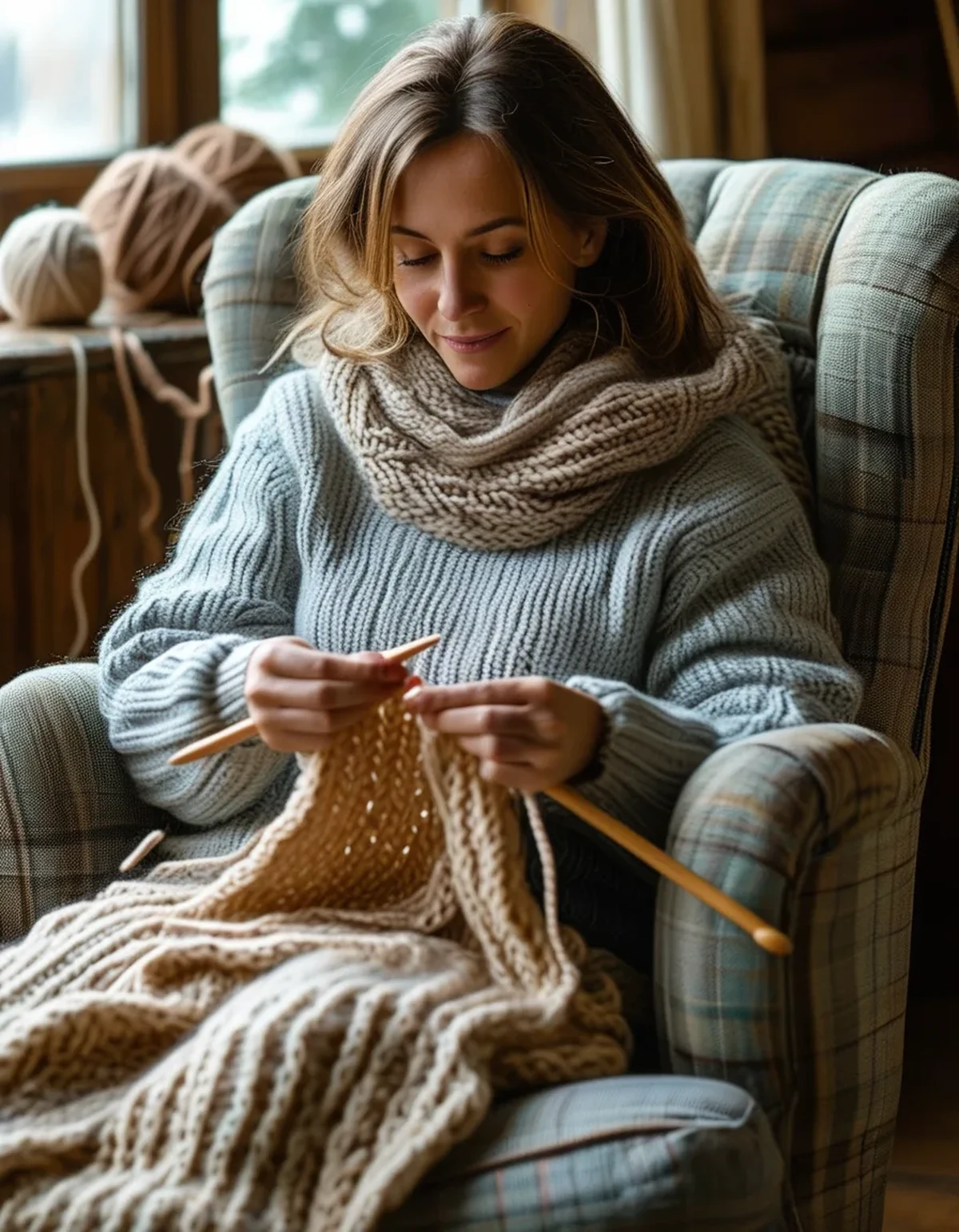
Yes — knitting slouched on a couch versus sitting upright at a table changes the angle and distance your hands hold the yarn from your body, which shifts how much tension the yarn naturally has as it feeds through your fingers. Knitters who switch locations mid-project (moving from a chair to bed, for example) often notice a tension shift that lines up exactly with the position change.
How much does stress or distraction really factor into tension changes?
Emotional tension translates surprisingly directly into yarn tension for many knitters — gripping more tightly while watching a stressful show, or loosening up during a relaxed, distraction-free stretch, shows up in the fabric even though it feels like an unrelated, invisible factor. This is one of the more commonly underestimated causes, since it doesn’t feel like a physical change from the knitter’s perspective.

Can gradual tension drift happen without any single clear cause?
Yes — tension can shift very gradually over dozens of rows without a single triggering moment, simply from small, compounding changes in grip, yarn feed, and hand position that add up over time. This is why comparing a current row to a row from an hour ago sometimes shows a bigger gap than comparing it to the row immediately before it.
What’s the fastest way to actually fix a noticeable tension shift?
Take a short break, then knit a fresh test swatch or a few rows with deliberate attention to grip and posture before continuing the project — this resets both hand fatigue and unconscious habits that built up. If the tension shift already happened over a section of the project, it’s often easier to accept the variation in an area that won’t show (like inside a seam) than to unravel extensively.
Why Knitting Tension Shifts Feel Worse Than They Actually Are
Most finished projects hide tension inconsistencies better than they appear while actively knitting, since blocking (wetting and shaping the finished piece) evens out a surprising amount of minor tension variation. Knitters often panic mid-project over a shift that becomes nearly invisible once the piece is blocked and worn, which is worth remembering before unraveling significant work.
FAQ: Knitting Tension Questions, Answered
Does yarn type affect how noticeable tension changes are?
Yes — slippery or very smooth yarns show tension inconsistency more visibly than textured or fuzzy yarns, which tend to mask minor variation.
Should you unravel back to fix a tension change, or just continue?
For small, gradual shifts, continuing and relying on blocking to even things out is usually fine; only unravel for a dramatic, sudden change that would clearly show in the finished piece.
Can switching needle material (metal versus wood) affect tension?
Yes, somewhat — metal needles let yarn slide more freely, which can loosen tension slightly compared to wood or bamboo needles that have more grip.
TL;DR:
- Hand fatigue over a long session often tightens tension unconsciously
- Changing position (couch versus table) shifts the yarn’s natural feed tension
- Stress and distraction genuinely affect grip tension, not just mood
- Blocking evens out far more tension inconsistency than it appears mid-project
A tension shift feels alarming in the moment, but a short break and a reset row fix most cases — and blocking quietly handles the rest.
Keep Reading
This article is for general informational and styling purposes only. Fit, sizing, and product availability may vary.